Kenyans, in 2010, established the Constitution of Kenya and granted themselves rights. Article 43 outlines the social and economic rights, “43. (1) Every person has the right— (a) to the highest attainable standard of health, which includes the right to health care services, including reproductive health care; (b) to accessible and adequate housing, and to reasonable standards of sanitation; (c) to be free from hunger, and to have adequate food of acceptable quality; (d) to clean and safe water in adequate quantities; (e) to social security; and (f) to education. (2) A person shall not be denied emergency medical treatment.”
The primary resources in Kenya for achieving social and economic constitutional rights are land and human resources. Through land and both the physical and intellectual human resources, individuals in a country are expected to realize the rights they have granted themselves. The banking and financial system, established by the Central Bank of Kenya, banks and other financial institution serve as the facilitator.
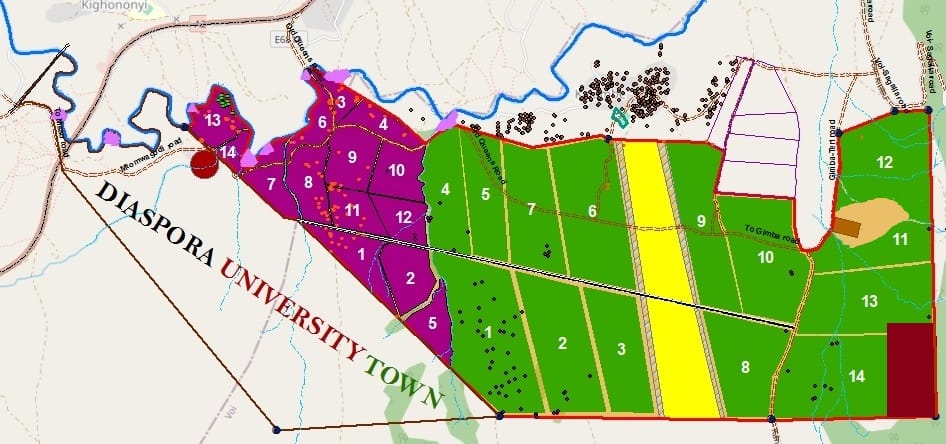
Kenya's land area is approximately 580,000 sq km (145 million acres). Article 260 of the Constitution of Kenya defines land as follows: “260. In this Constitution, unless the context requires otherwise— ‘land’ includes— (a) the surface of the earth and the subsurface rock; (b) any body of water on or under the surface; (c) marine waters in the territorial sea and exclusive economic zone; (d) natural resources completely contained on or under the surface; and (e) the air space above the surface.”
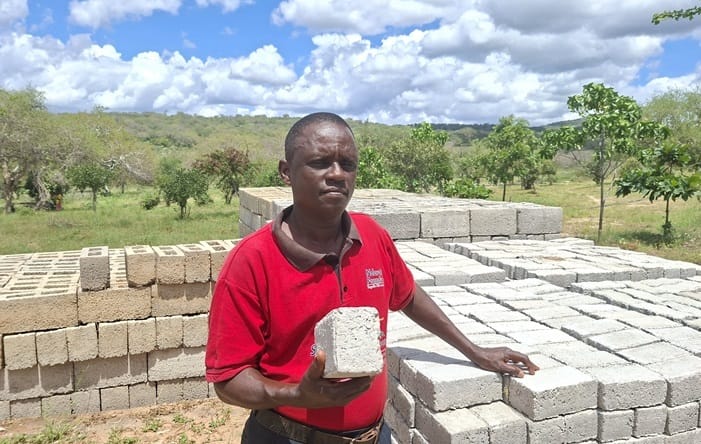
Kenya's human resource constitutes approximately 50% of the population on any given day. In 2026, Kenya's population is estimated to be about 54 million, which translates to a human resource of approximately 27 million people. This human resource is further calculated based on productive hours. Assuming an average of 2,000 productive hours per person per year, the total human resource amounts to about 54 billion hours annually. These hours are expected to be applied to land resources to achieve the rights outlined in the Constitution of Kenya. The attainment of these rights is measured through the Gross Domestic Product (GDP), the goods and services produced.
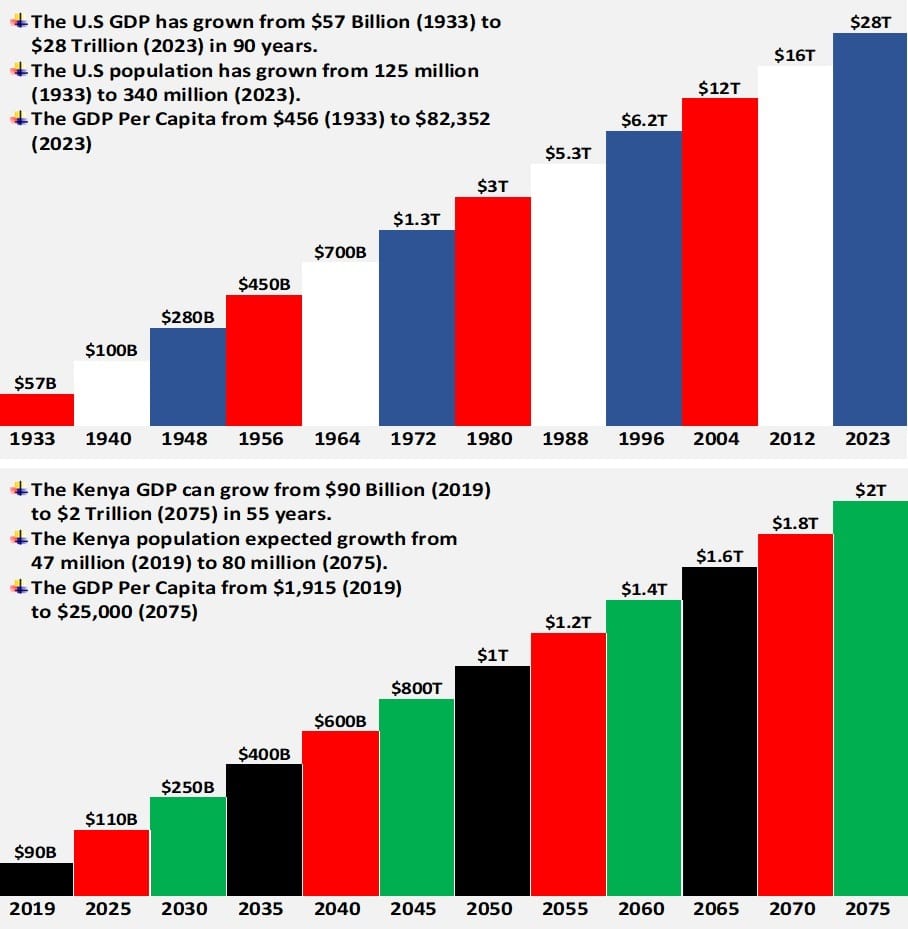
While Kenya possesses significant land and human capital, its economic growth, as measured by GDP, has lagged behind that of global peers. A key facilitator of economic development is the banking system, which is overseen by the Central Bank of Kenya (CBK).
Article 231 of the Constitution of Kenya, establishes the bank: “231. (1) There is established the Central Bank of Kenya. (2) The Central Bank of Kenya shall be responsible for formulating monetary policy, promoting price stability, issuing currency, and performing other functions conferred on it by an Act of Parliament.”
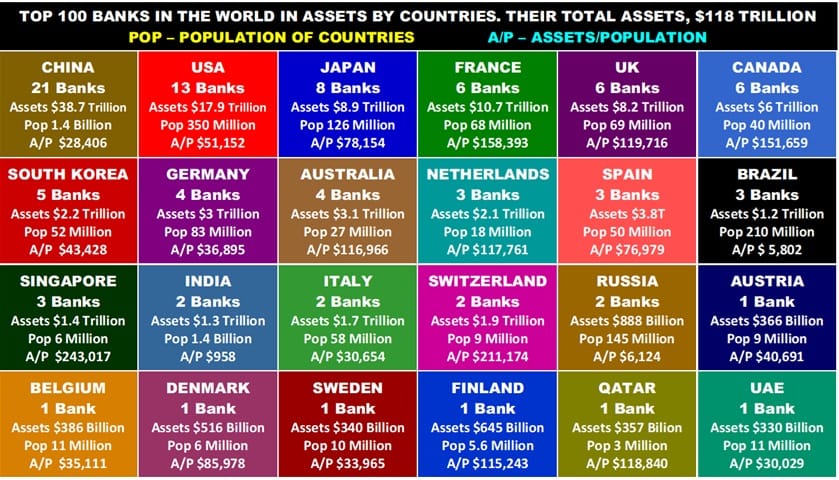
The CBK 2025 report shows the assets of 39 commercial banks in Kenya at Ksh 8.4 trillion (approximately $65 billion). When these assets are divided by Kenya's population of 54 million, they amount to about $1,200 per person.
Kenya, with its expansive land and larger population, stands in contrast to Singapore, 744 square kilometers (186,000 acres) and population of 6 million. Despite its smaller size, Singapore has developed a robust financial system, with its top three banks ranking among the top 100 globally. The three bank boast assets totaling $1.4 trillion and translate to an asset-to-population ratio of $243,017 per person.
Similarly, South Korea, with a land area of approximately 100,000 sq km (25,000,000 acres), supports a population of about 52 million. The country's top five banks also rank within the top 100 worldwide, with combined assets of $2.2 trillion, equating to to an asset-to-population ratio of $43,428 per person.
www.dut.or.ke
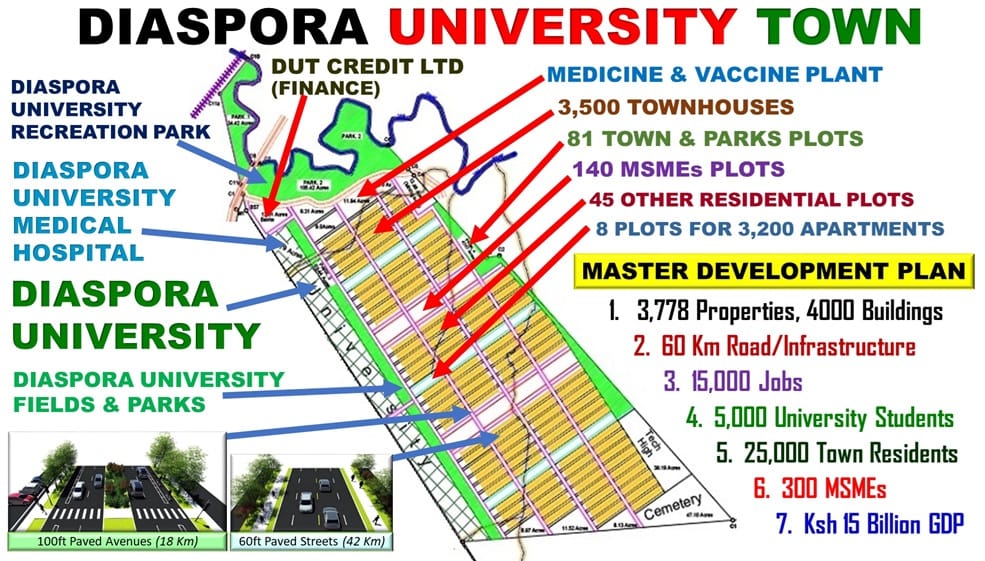
The Diaspora University Town (DUT) initiative was established to grow Kenya's GDP and unlock Kenya banking system. Currently, DUT is making significant progress, aiming to increase GDP by Ksh 20 billion through making 5,500 acres and 20,000 individuals productive. The DUT plan is for fulfilling the environmental, economic, social, and constitutional rights of approximately 40,000 people.
The DUT plan when facilitated by the banking sector will expand banking assets by Ksh 80 billion ($620 million) through Ksh 80 billion in loan advances and Ksh 50 billion in new deposits. The Ksh 80 billion ($620 million) will achieve $15,500 in new banking assets per person for the 40,000 Kenyans whose rights will be achieved.
(Dan Kamau the writer is the DUT Project Director and can be reached through Email dan@dut.or.ke or WhatsApp +254 743 203 168)
JOINING DUT ILLUSTRATION
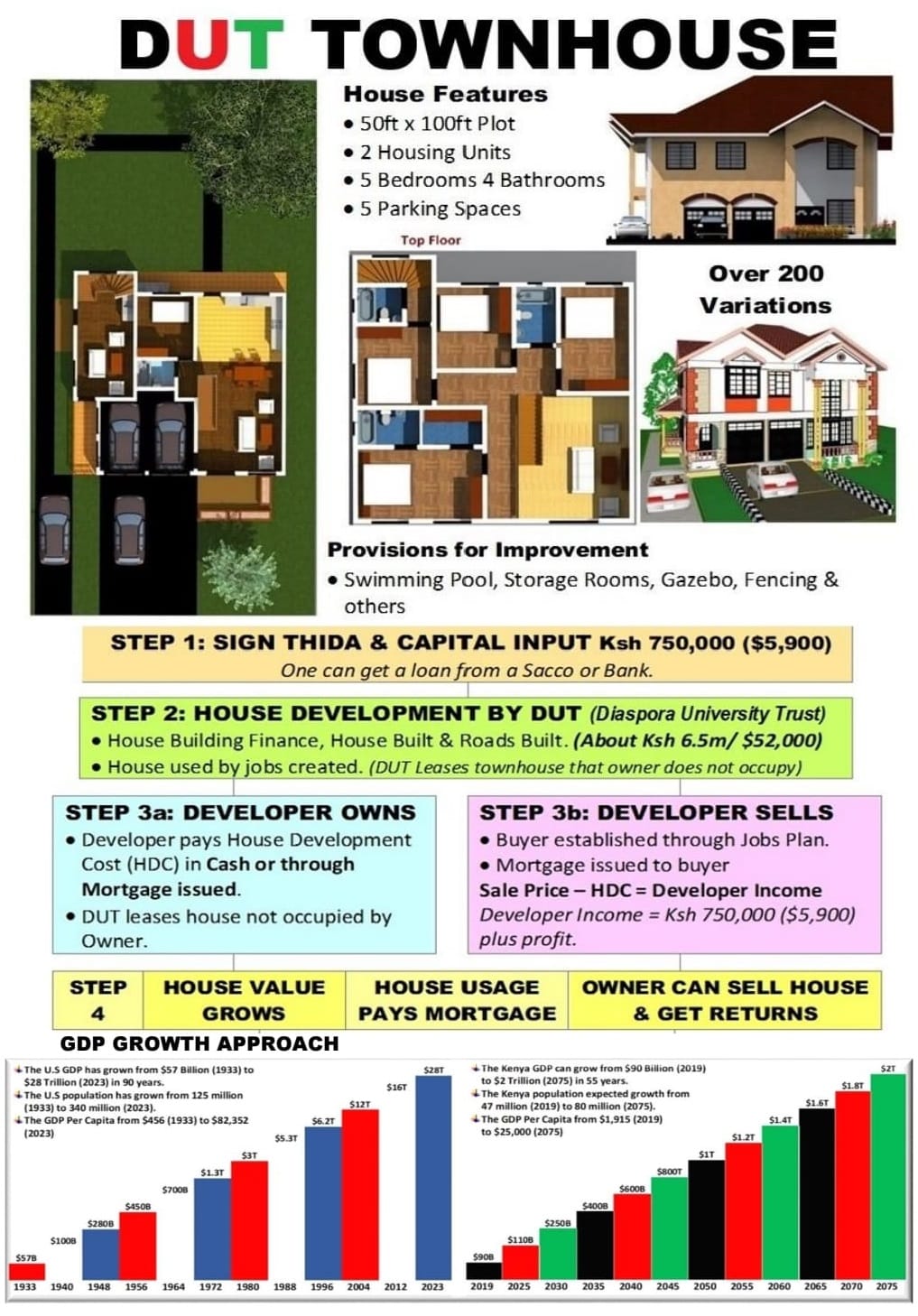
A Teacher/Government Employee or Kenyan can use the DUT system and available banking products to develop a DUT Townhouse. This illustration shows how a Government employee can apply Ksh 11,632 a month of their pay to earn Ksh 1 million by becoming a DUT townhouse developer.
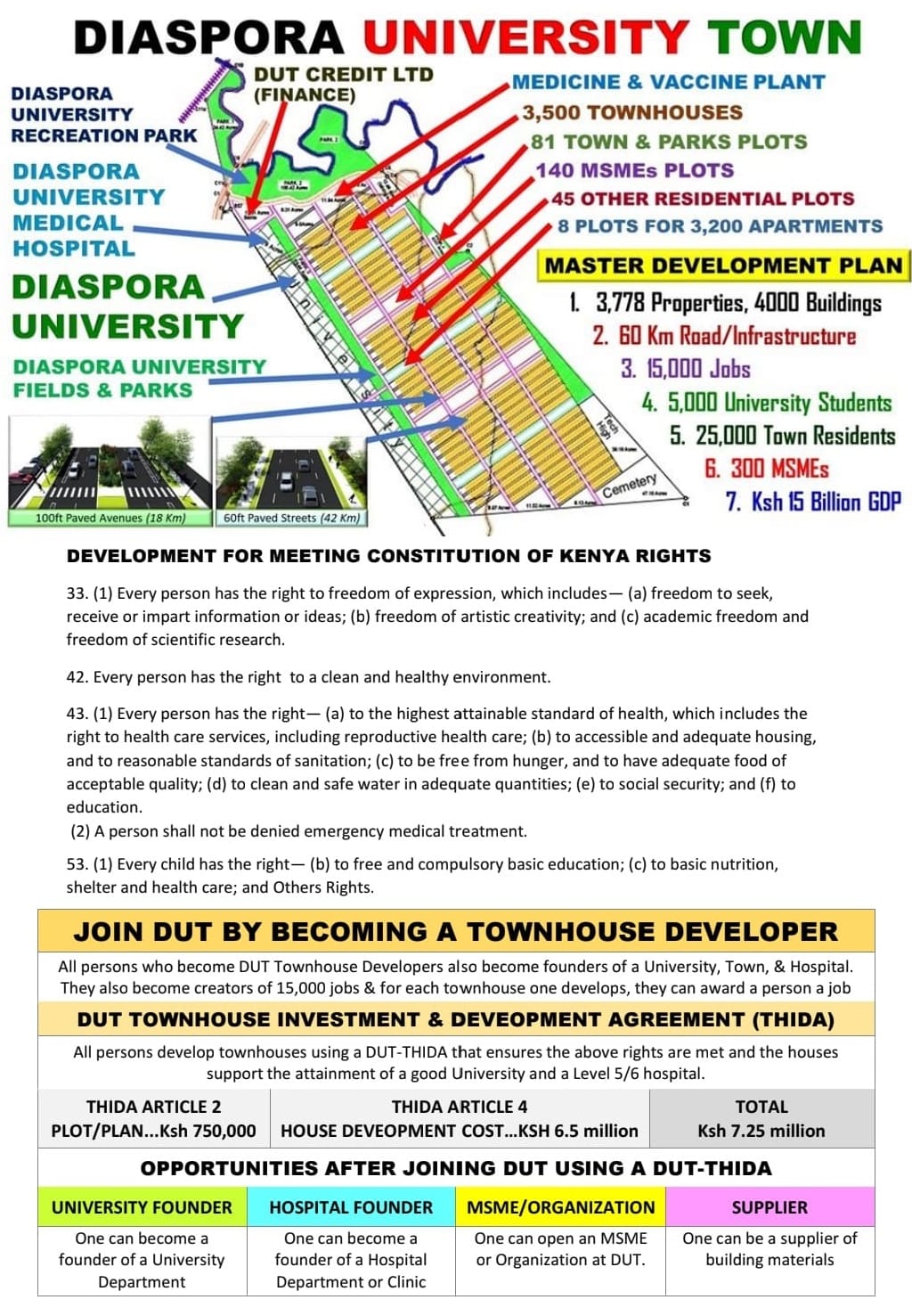
CLICK HERE TO DOWNLOAD DUT THIDA
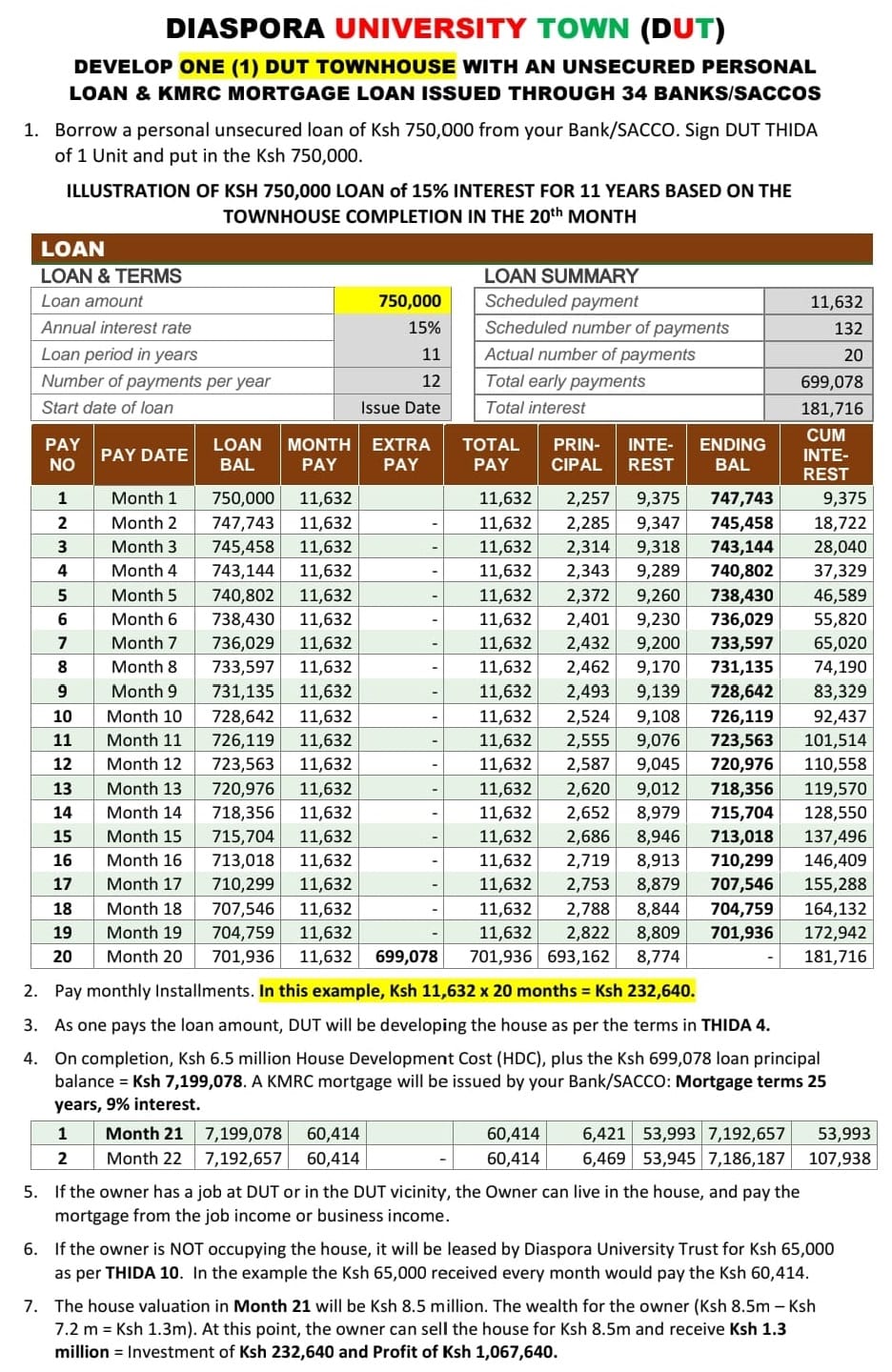

For every Kenyan family to achieve good housing over 20 million formal jobs need to be created and 7 million housing units developed in the next 10 years (by 2035), as Kenya's population grows to 65 million. The DUT system and its developers will create as many jobs as possible and develop as many houses as possible. For example a developer who sells a DUT townhouse unit and achieves Ksh 1.3 million will have the opportunity to build more housing units and grow their wealth using the DUT job creation and housing development system.
FREQUENT ASKED QUESTIONS (FAQ) & ANSWERS
CONTACTS
Dan Kamau +254 743 203 168
Ronald Mwangombe +254 704 494 185
Lucy Malemba +254 723 898 827
Naomi Masawi +254 759 952 559