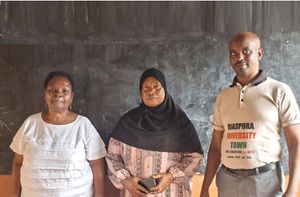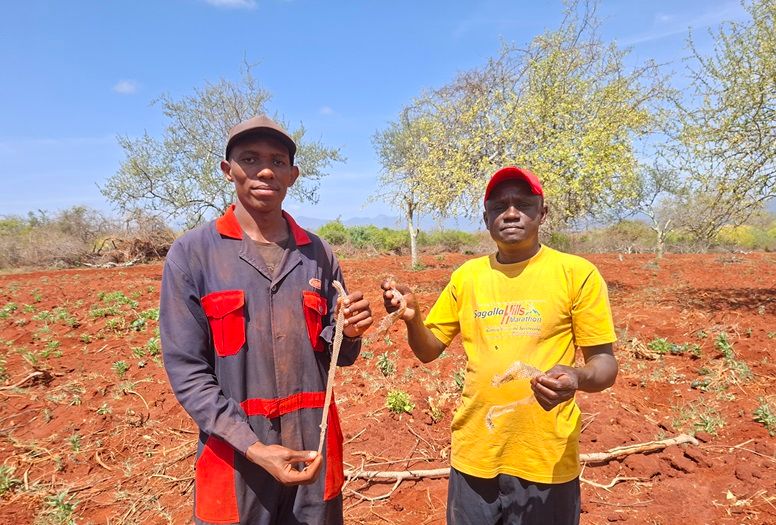
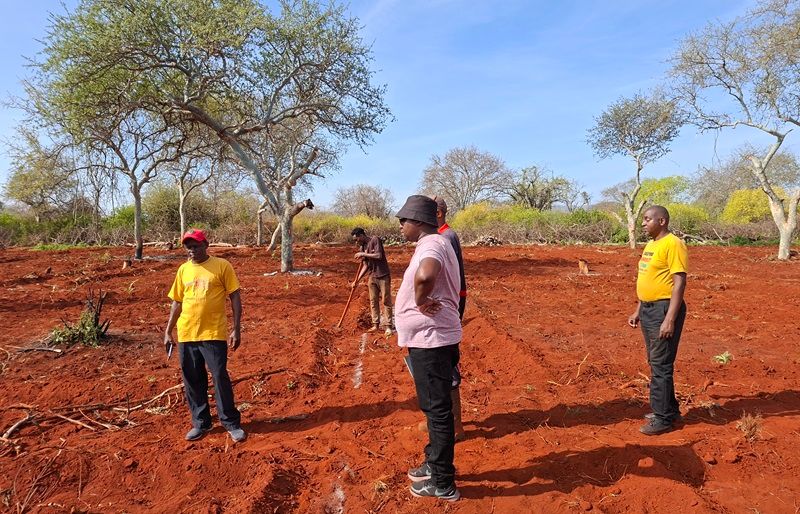
Nelson Mwende, an Ndara B Community member, is spearheading the establishment of a research farm at Ndara B Community land. The farm occupies approximately 5 acres. The goal is to develop diverse crop and animal plans using research-based farming methods that can be applied to farming on 4,000 acres of Community land. He projects that over the next 5 years, millions of kilograms of food will be produced for consumption and for use as raw materials.
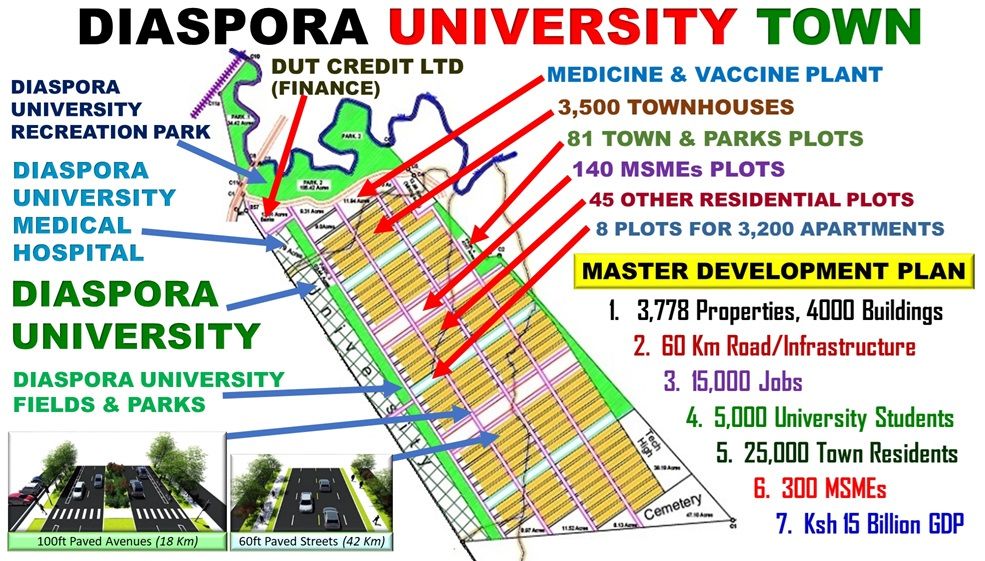
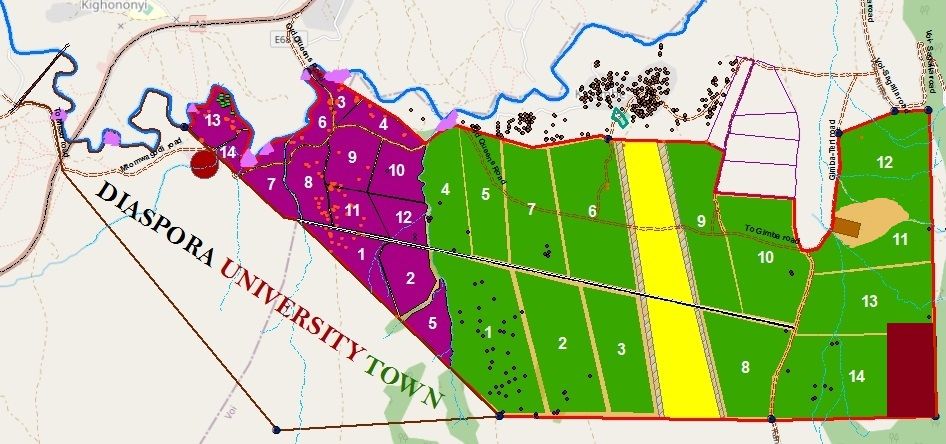
Nelson, together with other Ndara B members, has established more than 200 blocks of land for farming. The team is also considering farming a variety of vegetables, fruits, flowers, grasses, insects, and animals—some native to the land and consumed by grazing livestock.
The water will come from a solar-powered borehole. He estimates that the borehole can produce about 100,000 liters a day. Each farm block will receive a set number of liters to be applied during farming. Successful research will be transitioned to the Ndara B 14 farms, each about 200 acres.
The community is planning to implement a water plan to supply the farms. Lucy Malenba of the Community has been developing a plan to achieve at least 1 billion liters available each year. By adding boreholes and expanding the Mughe Dam to a capacity of 8 billion liters, rainwater will be harvested and used for agricultural irrigation.
With the Ndara B Community land containing limestone, the team plans to apply limestone dust in farming research, as limestone mining generates thousands of tonnes of dust. The research will also identify ways to maximize yields when incorporating the sunshine in Voi as a factor of production.
The vegetables research farming the team is working on include: Beans, Beetroot, Broccoli, Brussels Sprouts, Cabbage, Carrot, Cauliflower, Chili, Cucumber, Maize Corn, Kale Eggplant, Garlic, Ginger, Sukuma Wiki, Lemon Grass, Lettuce, Mushroom, Okra, Olive, Onion, Peas, Pepper Potato, Pumpkin, Soybean, Spinach, Squash, Sweet Potato, Tomato, Yam, Zucchini, and others.
The fruits farming research includes: Apple, Banana, Mango, Orange, Grapes, Strawberry, Watermelon, Pineapple, Pear, Peach, Cherry, Kiwi, Blueberry, Raspberry, Blackberry, Plum, Apricot, Nectarine, Papaya, Lemon, Lime, Grapefruit, Tangerine, Passion, Avocado, Olive, and other Exotic and Tropical Fruits.
Flower and grass farming includes: roses, Carnations, Lavender, tulips, sunflowers, orchids, Napier grass, and others.
Animal and insect farming includes: bees, cows, goats, pigs, chickens, rabbits, rats, snakes, scorpions, fish, Worms, Crickets, Cockroaches, Flies, and other animals and insects.